
"coffee shipping methods"
3000 article(s) found

Introduction to the description method of taste and flavor in the producing area of Hawaiian coffee
Europeans discovered Hawaii by accident. They were looking for a legendary passage to the east where spices were produced, but they found the richest pearl in the Pacific Ocean. A captain named James Cook landed at Kauai in 1778 to resupply his ship. He encountered severe cold and storm on his way back, so he had to return at the beginning of the next year.

Coffee origin Indian monsoon Malaba coffee Indian "monsoon coffee" coffee characteristics
Before the Indian monsoon Malaba Coffee, a tweet about the history of coffee species: it is amazing that 90% of the world's coffee originated from the same coffee tree! It was said that coffee originated in Ethiopia, and Arab businessmen brought it to Yemen, and then a thousand years later, because of a legendary love story, a Yemeni woman risked death to give coffee seeds to the prince of India.

The method of Grinding and Calibration of Hawaiian Coffee beans introduction to the process of taste picking
Europeans discovered Hawaii by accident. They were looking for a legendary passage to the east where spices were produced, but they found the richest pearl in the Pacific Ocean. A captain named James Cook landed at Kauai in 1778 to resupply his ship. He encountered severe cold and storm on his way back, so he had to return at the beginning of the next year.
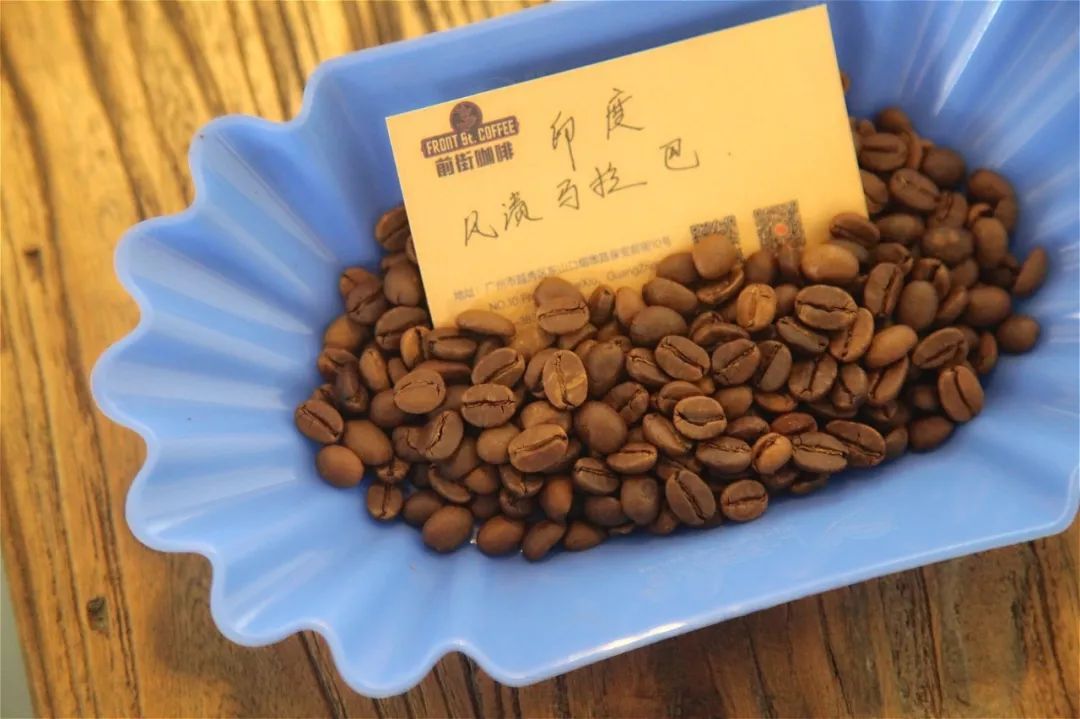
Unique Monsoon treatment-the Story of Indian Monsoon Malaba Malabr
Professional coffee knowledge exchange more coffee bean information please follow the coffee workshop (Wechat official account cafe_style) [monsoon stains Malaba] India Monsooned Malabar country: southern India: Malaba coast in southern India altitude: 1100-1200 m varieties: Kents,S795,Catimor,selection 9 treatment method: wind stain sun treatment method 01
Coffee knowledge Coffee Origin Puerto Rico
In 1736, coffee trees were introduced from Martinique to Puertp Rico. Most of the early coffee was grown by immigrants from Corsica. By 1896, Puerto Rico was the sixth largest exporter of coffee in the world, with most coffee shipped to France, Italy, Spain and Cuba. Coffee farms flourished in the 19th century, but the rise of sugarcane and drug farming
Balanced acidity of Ecuadorian coffee Hasunda coffee from Santa Cruz, Galapagos Islands
In 1535, Flatoma de Belanga and others of Spain stumbled upon the Galapagos Islands. Thomas was born in 1487 on the Duro River in the province of Soria, Spain. He was the fourth bishop of Panama at that time. He was ordered to go to Peru. When his ship set sail from Panama on February 23, under the impact of a strong current, they were taken to the unknown surface of the ocean.

Boutique Coffee Coffee from Puerto Rico
In 1736, coffee trees were introduced from Martinique to Puertp Rico. Most of the early coffee was grown by immigrants from Corsica. By 1896, Puerto Rico was the sixth largest exporter of coffee in the world, with most coffee shipped to France, Italy, Spain and Cuba. Coffee farms flourished in the 19th century, but the rise of sugarcane and drug farming

Introduction to Puerto Rico boutique coffee beans-Larez Yaoke Coffee in South-Central China
Features of Puerto Rico coffee: Yaocote is a fascinating coffee with a complete flavor, no bitterness, nutritious, fruity and worth tasting. Even Thales in Harrogate, UK, has imported 50 bags of Yaoke specialty coffee. Flavor: full granule, full flavor, rich aroma suggested baking method: medium baking ★★★

Puerto Rican coffee boutique coffee
In 1736, coffee trees were introduced from Martinique to PuertpRico. Most of the early coffee was grown by immigrants from Corsica. By 1896, Puerto Rico was the sixth largest exporter of coffee in the world, with most coffee shipped to France, Italy, Spain and Cuba. Coffee farms flourished in the 19th century, but sugar cane and drug farming
Monsoon Malabar coffee has a heavy texture and a faint bitter taste, as well as a weak sour taste.
In BC, raw coffee beans produced in India entered England through the Suez Canal in Egypt. At that time, Indian coffee raw beans were loaded on the floor of the cargo warehouse of the cargo ship. due to the long sailing time of the ship, the raw beans fermented naturally in the cargo warehouse with high temperature and humidity. After arriving in Europe, fermented Indian coffee beans are consumed by Europeans who cannot recognize the difference. Later, Europe

Introduction to the Export of Puerto Rican Coffee and its Manor producing area
Yaocote chose coffee beans to be preserved in shells before they were shipped, and the skins were not removed until the order was shipped to ensure the best freshness of the coffee. Relevant U.S. government staff, such as FDA and USEA, will also be present when the goods are submitted, and they work to monitor producers' compliance with federal regulations. There are also some staff from the local evaluation board, who are from
Raw bean treatment: typical air-drying process Indian monsoon coffee treatment, Indian coffee history
Before the Indian monsoon Malaba Coffee, a tweet about the history of coffee species: it is amazing that 90% of the world's coffee originated from the same coffee tree! It was said that coffee originated in Ethiopia, and Arab businessmen brought it to Yemen, and then a thousand years later, because of a legendary love story, a Yemeni woman risked death to give coffee seeds to the prince of India.
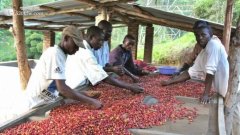
Boutique coffee beans knowledge coffee origin Puerto Rico
In 1736, coffee trees were introduced from Martinique to Puertp Rico. Most of the early coffee was grown by immigrants from Corsica. By 1896, Puerto Rico was the sixth largest exporter of coffee in the world, with most coffee shipped to France, Italy, Spain and Cuba. Coffee farms flourished in the 19th century, but the rise of sugarcane and drug farming

The Origin of Fine Coffee-- Puerto Rico Fine Coffee
In 1736, coffee trees were introduced from Martinique to Puertp Rico. Most of the early coffee was grown by immigrants from Corsica. By 1896, Puerto Rico was the sixth largest exporter of coffee in the world, with most coffee shipped to France, Italy, Spain and Cuba. Coffee farms flourished in the 19th century, but the rise of sugarcane and drug farming

Puerto Rico Coffee Manor flavor taste introduction to San Pedro Manor
In 1736, coffee trees were introduced from Martinique to Puerto Rico. Most of the early coffee was grown by immigrants from Corsica. By 1896, Puerto Rico was the sixth largest exporter of coffee in the world, with most coffee shipped to France, Italy, Spain and Cuba. Coffee farms flourished in the 19th century, but the rise of sugarcane and drug farming

Introduction to Puerto Rico Special Coffee
In 1736, coffee trees were introduced from Martinique to Puertp Rico. Most of the early coffee was grown by immigrants from Corsica. By 1896, Puerto Rico was the sixth largest exporter of coffee in the world, with most coffee shipped to France, Italy, Spain and Cuba. Coffee farms flourished in the 19th century, but the rise of sugarcane and drug farming

The planting position of aged Mantenin Aged Mandheling G1 washed boutique coffee beans in Indonesia
Old gold Mantenin: old coffee actually has a long history in Indonesia, because the early shipping is not so developed, it takes a long time to transport coffee from Indonesia to other countries. over time, the water-rich fresh coffee beans are slowly dried, coupled with the sea breeze blowing to add a very special flavor. Due to the advance of modern shipping
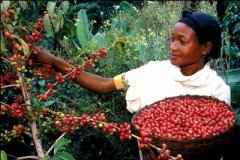
Puerto Rican Coffee Bean Fine Coffee Association
In 1736, coffee trees were introduced from Martinique to PuertpRico. Most of the early coffee was grown by immigrants from Corsica. By 1896, Puerto Rico was the sixth largest exporter of coffee in the world, with most coffee shipped to France, Italy, Spain and Cuba. Coffee farms flourished in the 19th century, but sugar cane and drug farming

Fragrant Ecuadorian Coffee flavors introduce Hasunda Coffee Garden
Flavor: balanced acidity, aromatic fragrance recommended roasting methods: medium to deep roasting, can be made into high-quality mixed coffee, suitable for multi-use evaluation: general Ecuadorian giant turtle island coffee beans from the hometown of giant turtles coffee treasures the best Ecuadorian coffee is grown on St. Cristobal Island in the Galapagos Islands, where it has the best quality coffee in the world.

Ecuadorian coffee with balanced acidity introduces boutique coffee
Flavor: balanced acidity, aromatic fragrance suggested baking method: medium to deep roasting, can be made into high-quality mixed coffee, suitable for multi-purpose Ecuadorian tortoise island coffee beans from the hometown of giant tortoise coffee treasures the best Ecuadorian coffee is grown on the island of St. Cristobal in the Galapagos Islands, which is unique to brewing the best quality coffee in the world.